




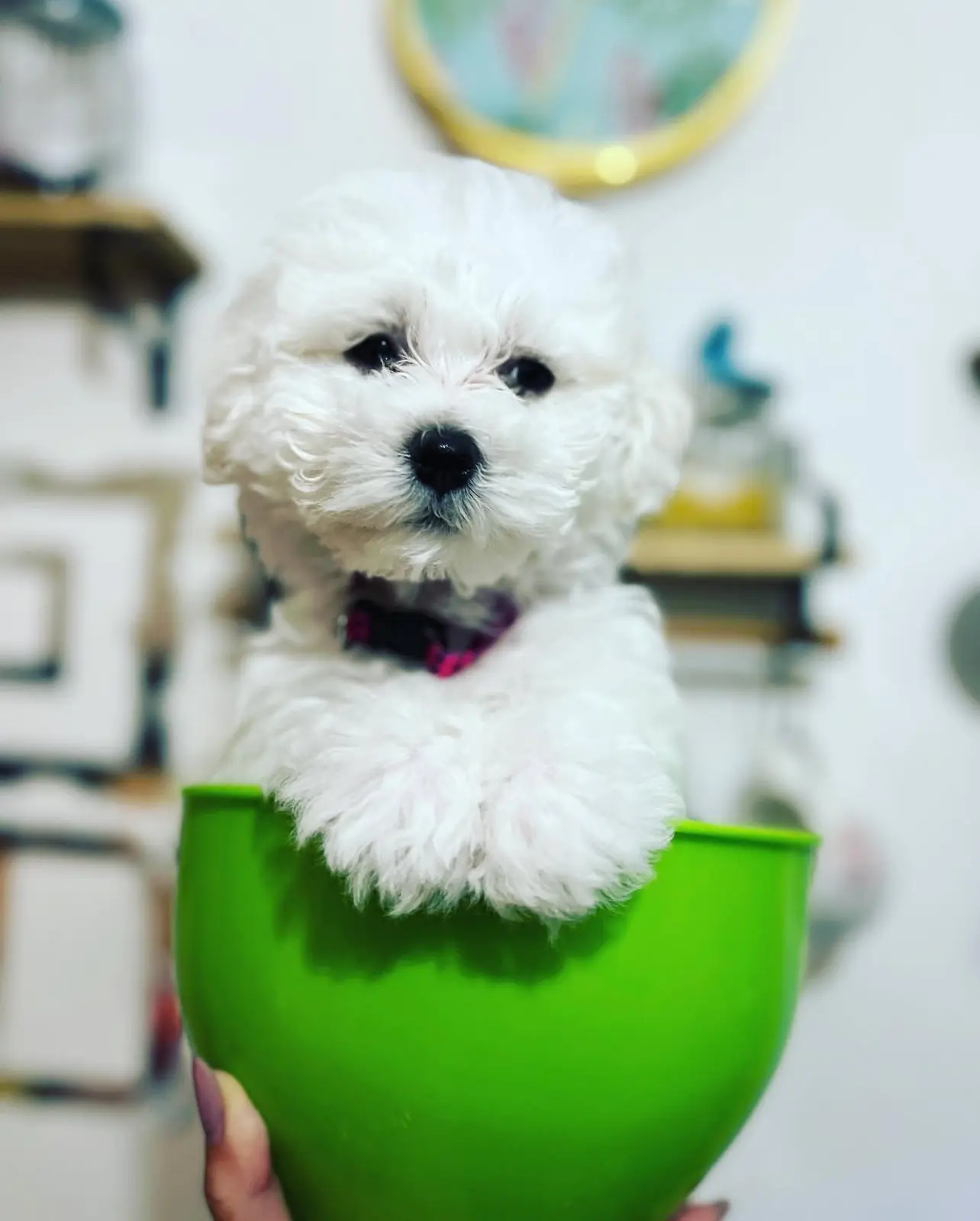




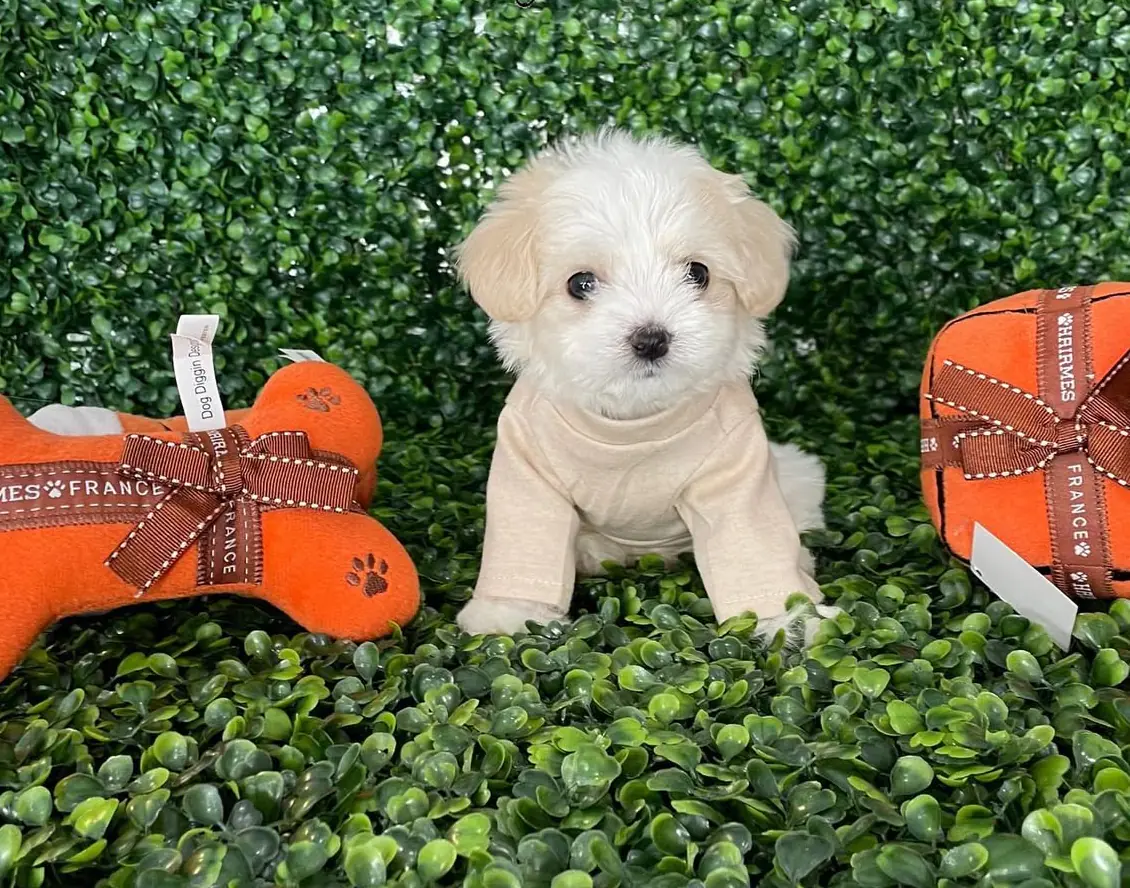


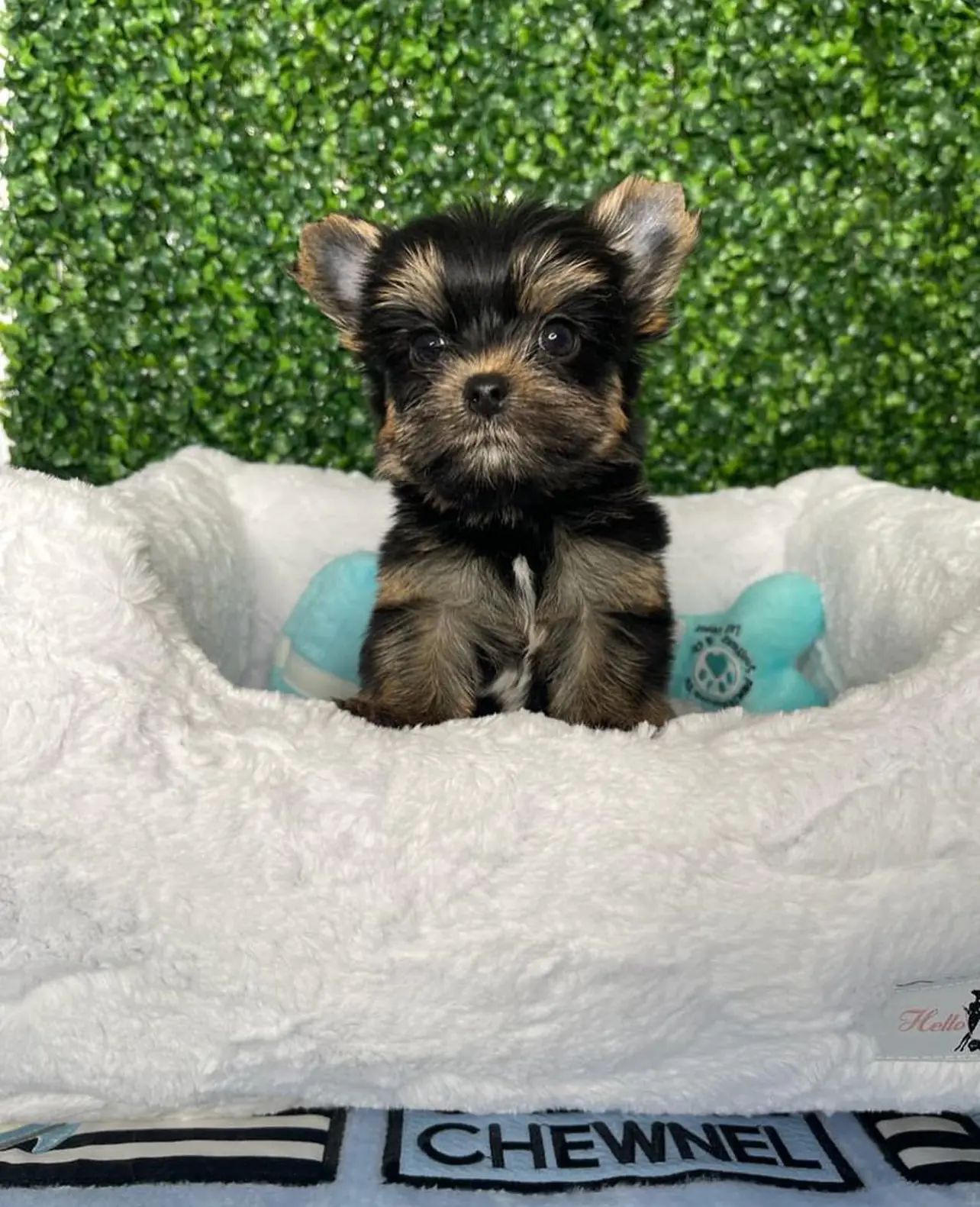


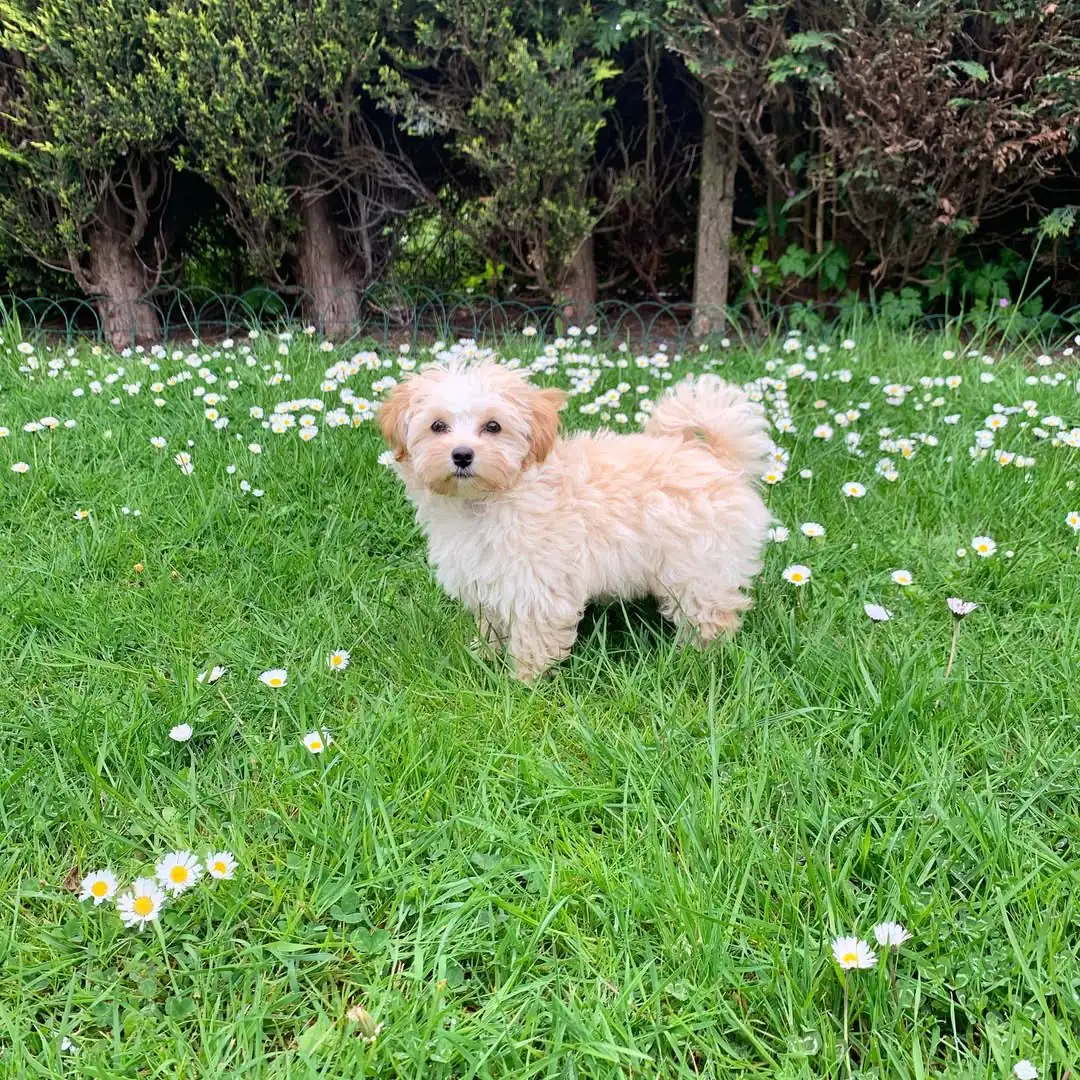
Teacup Maltese Puppies for sale
When you first encounter those dark, expressive eyes peering out from a cloud of white silk, you’re meeting more than just a beautiful dog—you’re discovering one of the oldest and most cherished companion breeds in history. At Premier Teacup Pups, we’ve dedicated years to perfecting our Maltese breeding program, focusing equally on show-quality conformation and pet-perfect temperament. These aren’t just puppies; they’re living pieces of canine history, bred from 100% certified Maltese parents who share our Texas home and receive the same love and attention we give every puppy. Whether you’re seeking a show prospect or simply a devoted family companion, our Maltese puppies for sale represent generations of careful breeding and a deep commitment to preserving everything that makes this ancient breed so special.
The Timeless Appeal of the Maltese
There’s a reason Maltese have been favored by royalty and commoners alike for over two millennia—they possess a unique combination of elegance, affection, and adaptability that transcends time and trends. Originally prized by ancient civilizations around the Mediterranean, these little white companions have maintained their status through centuries not because of passing fads, but because they genuinely excel at what they were bred to do: provide devoted, affectionate companionship. What’s remarkable is how their ancient breeding purpose aligns perfectly with modern life, creating dogs that adapt beautifully to today’s households while maintaining that timeless charm.
Why Maltese Fit Contemporary Life So Perfectly
Beyond their stunning appearance, Maltese offer practical benefits that make them ideal for modern living:
- Hypoallergenic Qualities: Their single-layer coat sheds minimally, making them excellent for allergy-sensitive households
- Perfect Apartment Size: Typically 4-7 pounds, they thrive in spaces of any size
- Moderate Energy Levels: Enjoy playtime but are equally content with quiet companionship
- Remarkable Longevity: With proper care, many enjoy 12-15 years of devoted friendship
- Social Adaptability: Wonderful with singles, couples, families with gentle children, and seniors
The Maltese in Historical Context:
- Ancient Heritage: Mentioned by Aristotle over 2,000 years ago as “perfect little dogs.”
- Royal Companions: Favored by European nobility and depicted in Renaissance art
- Breed Purity: One of the oldest toy breeds with remarkably consistent type through the centuries
- Modern Popularity: Consistently ranked among America’s most popular toy breeds
- Dual Purpose: Excel equally as show dogs and family companions when bred properly
Our Dual-Purpose Breeding Philosophy
When you choose Maltese puppies for sale from Premier Teacup Pups, you’re selecting from a program that values both conformation and character. Unlike breeders who focus exclusively on show rings or pet production, we believe the best Maltese excel at both. Our breeding dogs live with us as family members, not kennel residents, ensuring they develop the social skills and stable temperaments they pass to their puppies.
Health Priorities for This Ancient Breed
Maltese, like many ancient breeds, have specific health considerations we address through comprehensive testing:
- Genetic Screening: Testing for conditions like portosystemic shunt and patellar luxation
- Dental Health Focus: Critical attention to dental care from puppyhood forward
- Eye Health: Regular screening for progressive retinal atrophy and other eye conditions
- Weight Management: Guidance for maintaining ideal weight in this small breed
- Breed-Specific Protocols: Following AKC Maltese health recommendations for comprehensive care
Show Quality vs. Pet Quality: Understanding the Distinction
In our breeding program, every puppy receives the same exceptional care, but we’re transparent about their potential:
- Show Prospects: Puppies meeting exacting AKC conformation standards for exhibition
- Pet Companions: Equally healthy, well-tempered puppies with minor variations from show standards
- Common Traits: All receive the same health testing, socialization, and care regardless of designation
- Honest Evaluation: We help you understand each puppy’s strengths and ideal home
The Maltese Coat: Beauty Requiring Commitment
That flowing white coat isn’t just beautiful—it’s a defining characteristic of the breed that requires specific knowledge and care. Understanding this coat is essential for anyone considering a Maltese, as proper maintenance is key to both their appearance and their comfort.
Coat Characteristics & Care Requirements
Grows continuously like human hair, sheds minimally
Minimal dander production helps allergy sufferers
Prevents painful matting and maintains coat health
Regular grooming appointments essential for coat health
Realistic Grooming Expectations
Prospective Maltese owners should understand:
- Daily Brushing: Essential to prevent mats in their fine, silky hair
- Professional Care: Every 3-4 weeks with a groomer familiar with the breed ($50-75 per session)
- Eye Stain Management: Daily cleaning to prevent tear staining
- Dental Attention: Daily brushing is recommended for dental health
- Texas Climate Adaptation: Shorter “puppy cuts” often preferred for summer comfort
Living with Your Maltese Companion
What does daily life actually look like with one of these elegant little companions? Families considering a Maltese often wonder about the reality behind the beautiful appearance.
Exercise & Social Needs
Maltese thrive with moderate engagement:
- Gentle Activity: Short walks and indoor play satisfy their exercise needs
- Mental Stimulation: Training sessions and puzzle toys engage intelligent minds
- Social Connection: They flourish when included in family activities
- Climate Awareness: Indoor play during peak Texas summer heat
- Safe Exploration: Supervised outdoor time in secure areas
Training Your Maltese
Their intelligence and desire to please make training particularly rewarding:
- Positive Reinforcement: They respond beautifully to praise and treats
- Consistency Matters: Clear expectations help them understand household routines
- Early Socialization: Prevents excessive shyness or nervousness
- Housebreaking Patience: Small breeds can take time—consistency and routine help
- Gentle Methods: Harsh training approaches damage their sensitive nature
Finding Your Perfect Maltese Companion
When you browse our currently available Maltese puppies for sale, you’re seeing the result of thoughtful breeding, comprehensive health testing, and dedicated early care. Each puppy represents our commitment to this ancient breed and our dedication to placing each in the perfect home.
Your Maltese Adoption Includes:
- AKC registration papers and complete pedigree documentation
- Health guarantee covering hereditary conditions
- Complete veterinary records, including age-appropriate vaccinations
- Starter grooming kit with appropriate brushes and care products
- Microchip implantation with lifetime registration
- Detailed Maltese-specific care guide focusing on coat and dental care
- Lifetime support for grooming, health, and training questions
- Nationwide delivery with careful attention to travel comfort
Questions Future Maltese Families Ask
How much grooming do Maltese really require?
Significant daily commitment. Their coat grows continuously like human hair and requires daily brushing to prevent painful mats. Most owners also opt for professional grooming every 3-4 weeks. While some choose shorter “puppy cuts” for easier maintenance, even these require regular care. We provide comprehensive grooming education to all our Maltese families.
Are they good with children?
With proper socialization, they can be wonderful with gentle, respectful children. However, their small size requires supervision around very young children who might not understand gentle handling. We specifically socialize our puppies with calm, dog-savvy children and provide guidance for safe family interactions.
Do Maltese bark excessively?
They can be vocal, particularly when alert. Their history as companions means they’re attentive to household sounds and activities. However, with consistent training from puppyhood, this is manageable. We begin positive-reinforcement training early and provide guidance on teaching appropriate quiet behavior.
What’s the difference between show and pet quality?
Show quality puppies meet exacting AKC breed standards for conformation and movement. Pet-quality puppies are equally healthy and well-tempered but may have minor deviations from the ideal standard. Both make wonderful companions, and we help each family choose the right puppy for their goals and lifestyle.
Why Our Maltese Program Stands Apart
In a market with many Maltese breeders, our approach is distinctive:
- Dual-Purpose Focus: Breeding for both conformation excellence and companion temperament
- Home-Based Breeding: All dogs live as family members, not kennel residents
- Historical Respect: Honoring the breed’s ancient heritage through careful preservation
- Complete Transparency: Open about health testing, pedigrees, and each puppy’s potential
- Lifetime Partnership: Support continues throughout your Maltese’s life
Ready for Timeless Companionship?
If you’re prepared for daily grooming, committed to gentle training, and ready for years of devoted, elegant companionship, a Maltese might be your perfect match. View our available Maltese puppies or call us at +1 915-221-0809 to discuss whether this ancient breed is a good fit for your lifestyle. We’ll help you understand both the joys and commitments of welcoming a Maltese into your Texas home.
Reservation deposit: $300 (reflects extensive health testing and dual-purpose breeding)
Families drawn to the Maltese’s elegance and companionship often appreciate our Havanese puppies for their affectionate nature, or our Shih Tzu puppies for their historical significance and beautiful coats.







Premium Teacup Puppies For Sale






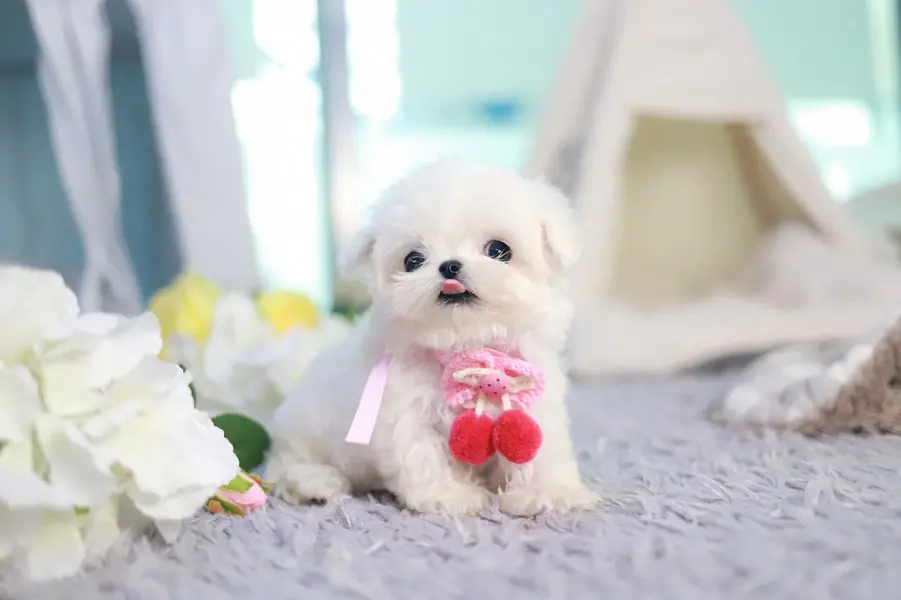








What exactly is a ‘Teacup Maltese’? Is it an official breed variation? No, the American Kennel Club (AKC) only recognizes one Maltese breed standard (under 7 pounds, ideally 4-6 pounds). ‘Teacup’ is an unofficial marketing term used by some breeders for Maltese bred to be significantly smaller than this standard, often under 4 pounds.
How much smaller is a ‘Teacup’ Maltese typically compared to the standard? While the standard aims for 4-6 pounds, puppies marketed as ‘teacups’ are usually advertised to mature at under 4 pounds, sometimes even as little as 2-3 pounds. Size can vary, and such extreme smallness carries major health risks.
Are Teacup Maltese prone to specific health issues due to their tiny size? Yes, significantly. They are at higher risk for hypoglycemia, fragile bones, open fontanels (soft spots on the skull), hydrocephalus, heart defects, liver shunts, collapsing trachea, respiratory problems, and severe dental issues in their miniature jaws.
Do Teacup Maltese have the same temperament as standard Maltese? They should ideally share the gentle, playful, and affectionate nature of the standard Maltese. However, their extreme fragility can make them prone to nervousness, fearfulness, or trembling if not handled with exceptional care. They can also develop “Small Dog Syndrome” if not properly trained.
Is grooming a Teacup Maltese different from grooming a standard Maltese? The coat care itself is the same: their long, white, single coat requires daily brushing to prevent mats and regular professional grooming. However, handling during grooming must be incredibly gentle due to their delicate structure. Tear stain management is also crucial.
How much exercise does a Teacup Maltese need? Very little structured exercise is required. Short, gentle indoor play sessions and perhaps very brief, careful walks on a harness (never a collar that pulls on the neck) are sufficient. Overexertion and rough play must be avoided.
Are Teacup Maltese particularly fragile? Yes, extremely so. Their bones are incredibly delicate and can break easily from falls (even off low furniture), being stepped on, or rough handling. They require a very protected environment.
What is the average lifespan of a Teacup Maltese? Unfortunately, due to the significant health problems often associated with breeding for extreme miniaturization, their lifespan is frequently shorter than the 12-15 years expected for a healthy, standard-sized Maltese.
How often should I feed a Teacup Maltese puppy? Frequent small meals are absolutely essential to prevent life-threatening hypoglycemia (low blood sugar). Young puppies may need feeding every 2-4 hours. Consult your vet for a specific feeding schedule and appropriate high-quality food.
Are Teacup Maltese good pets for families with young children? Generally, no. Their extreme fragility makes them unsuitable for homes with young children who might accidentally drop or handle them too roughly. They are better suited to adult-only homes or families with very gentle, older, supervised children.
Do Teacup Maltese bark a lot? Like many small companion breeds, Maltese can be prone to alert barking. Teacup versions are no different. Early training can help manage excessive barking.
How much does a Teacup Maltese puppy typically cost? Prices are often very high, frequently ranging from $2,500 to $6,000 or even more, due to the “designer” or “rare” marketing. This high cost does not guarantee health or ethical breeding practices.
Are Teacup Maltese difficult to house train? Very small breeds can sometimes be more challenging to house train due to their tiny bladders and the difficulty in detecting small accidents. Consistency, patience, and positive reinforcement are key, possibly combined with potty pad training.
Why do reputable Maltese breeders advise against ‘teacup’ sizes? Responsible breeders prioritize the health, longevity, and temperament of the breed according to the official standard. They understand the serious health complications and ethical concerns associated with deliberately breeding dogs below a healthy size threshold.
Are Teacup Maltese more prone to dental problems? Yes, fitting a full set of teeth into an abnormally small jaw often leads to severe overcrowding, misaligned bites, retained baby teeth, and a higher incidence of periodontal disease. Diligent dental hygiene is crucial from a young age.
Do Teacup Maltese suffer from tear staining like standard Maltese? Yes, tear staining is very common in Maltese due to facial structure and their white coat making it highly visible. Regular, gentle cleaning of the eye area is necessary to manage stains and prevent irritation.
Can Teacup Maltese travel easily? Their tiny size allows them to fit easily into carriers for travel, including in-cabin air travel. However, owners must ensure the dog is comfortable with travel and take precautions regarding their fragility and potential health sensitivities during transit.
What should I look for if considering a very small Maltese? Seek reputable breeders affiliated with the American Maltese Association (AMA) who health test their breeding dogs. Focus on finding a healthy puppy that happens to be naturally on the smaller end of the *standard* (e.g., closer to 4 lbs) rather than seeking out a breeder specifically advertising unhealthy “teacup” sizes.
Do Teacup Maltese get along well with other pets? With careful introductions and supervision, they can potentially live with other calm, gentle pets. However, interactions must always be monitored closely, as even playful larger pets could easily injure them accidentally.
Do Teacup Maltese have ‘open fontanels’? What does that mean? It’s relatively common in extremely miniaturized dogs. The fontanel is the soft spot on the top of the skull, similar to a human baby’s. In healthy dogs, it closes as they mature. An open fontanel in an adult or older puppy leaves the brain vulnerable to injury and can be associated with neurological issues like hydrocephalus.