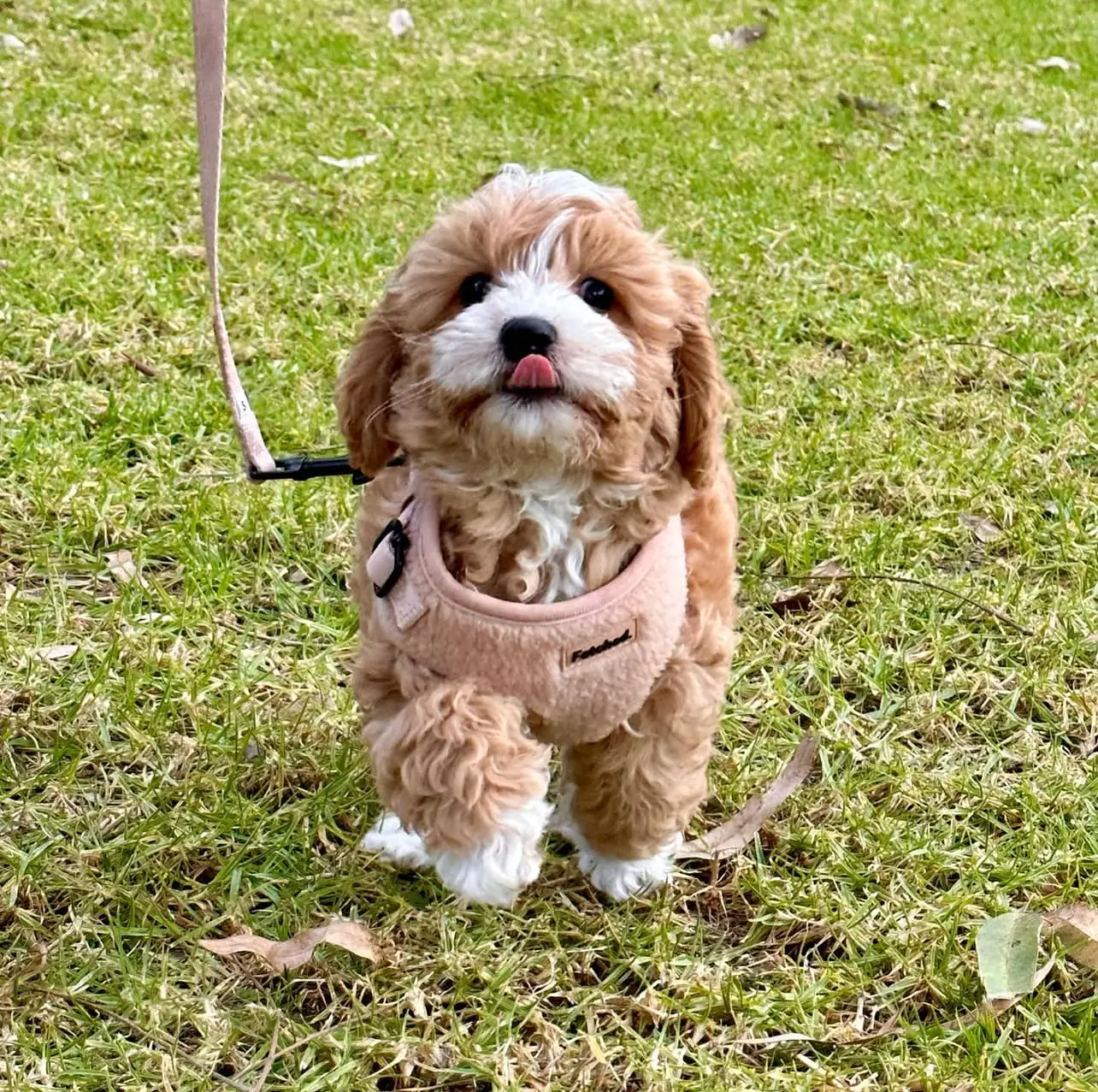
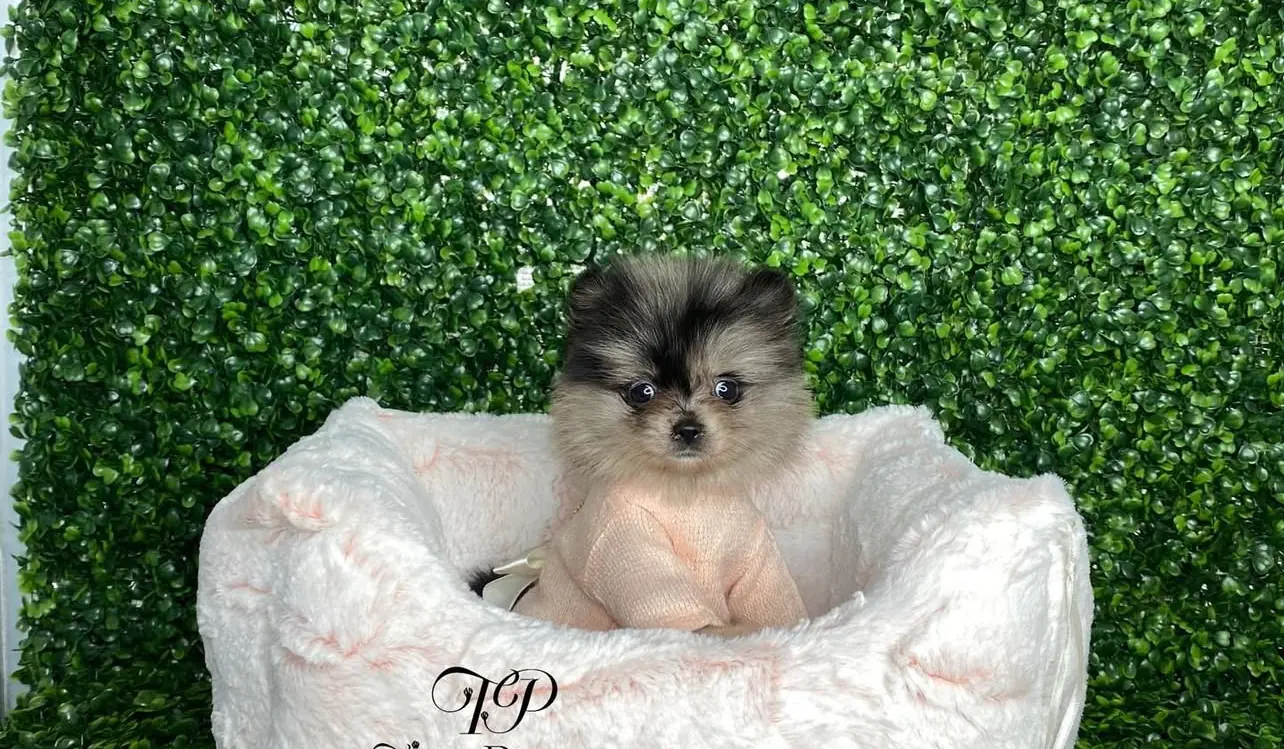
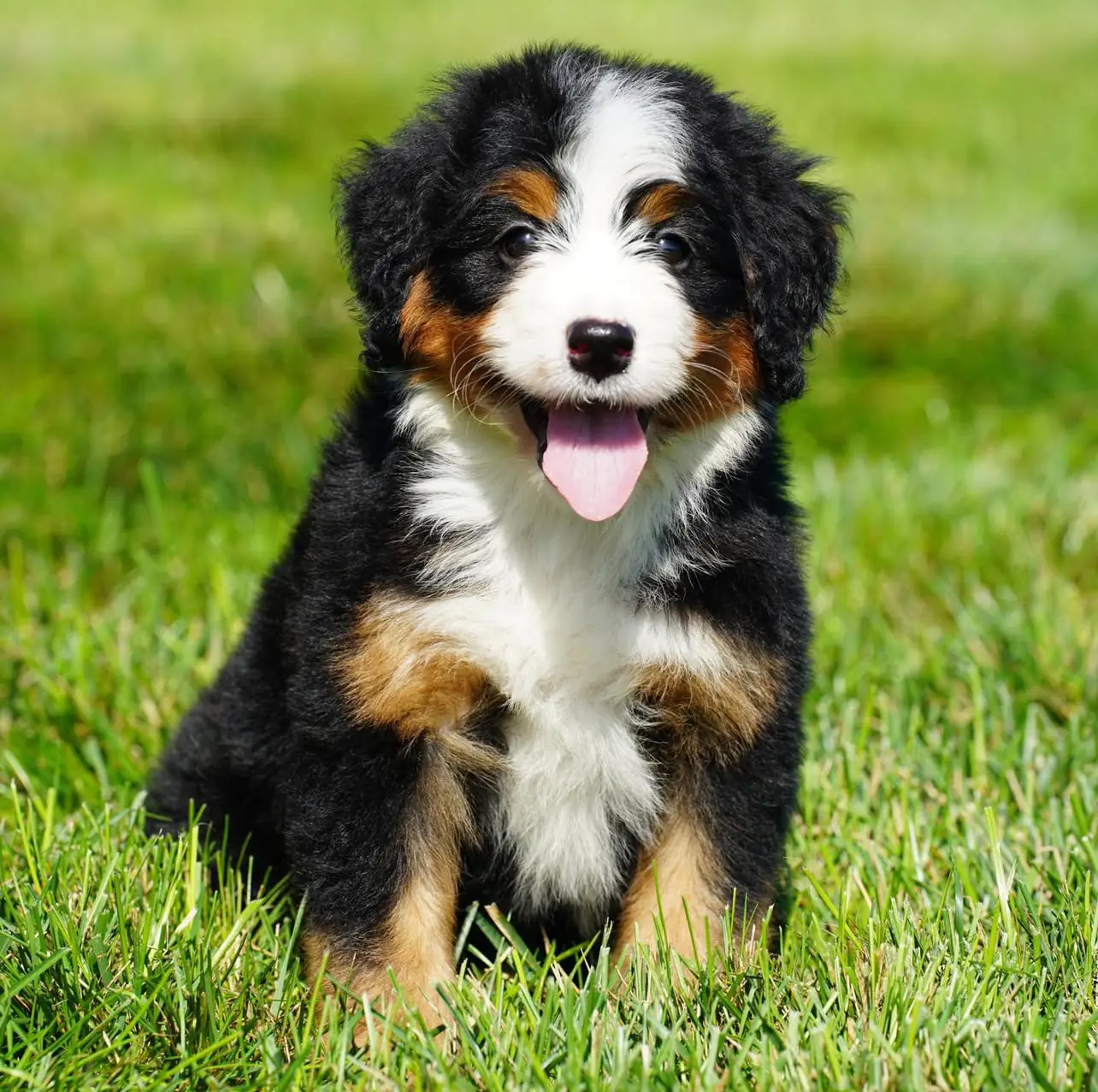
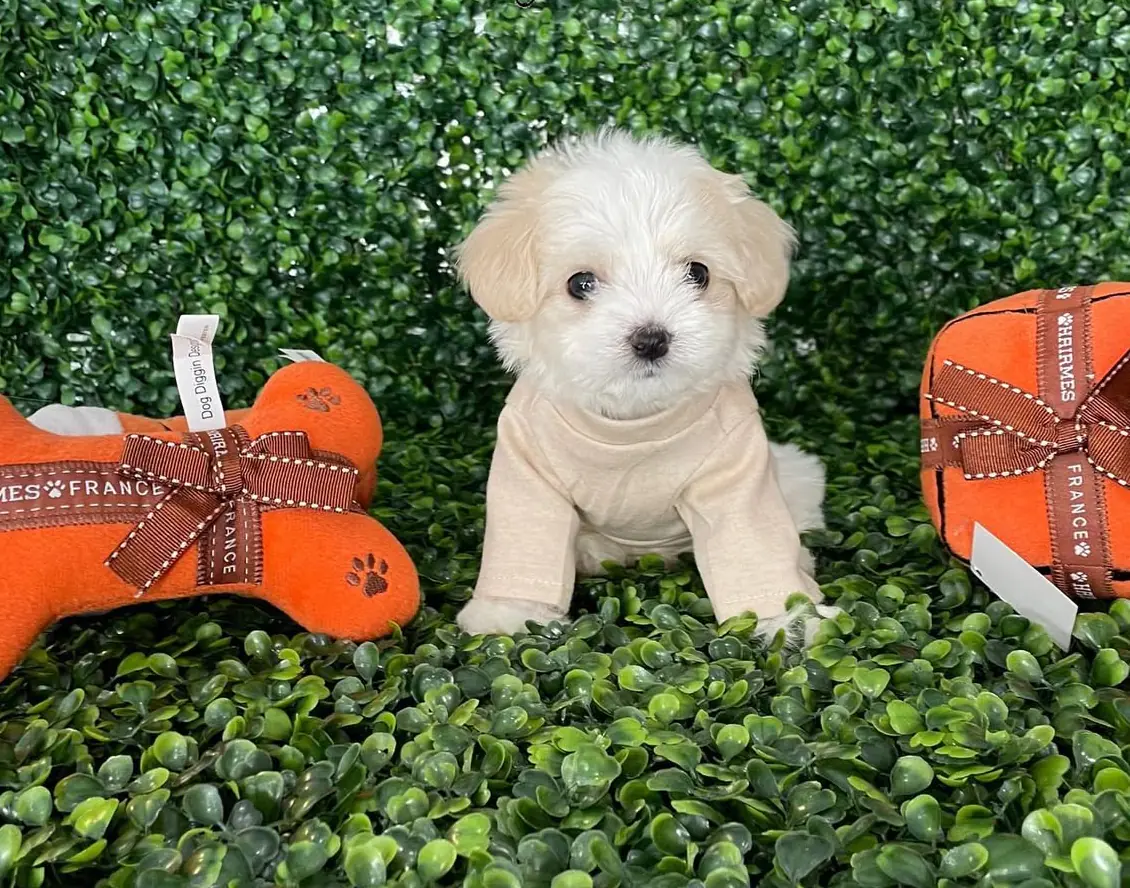

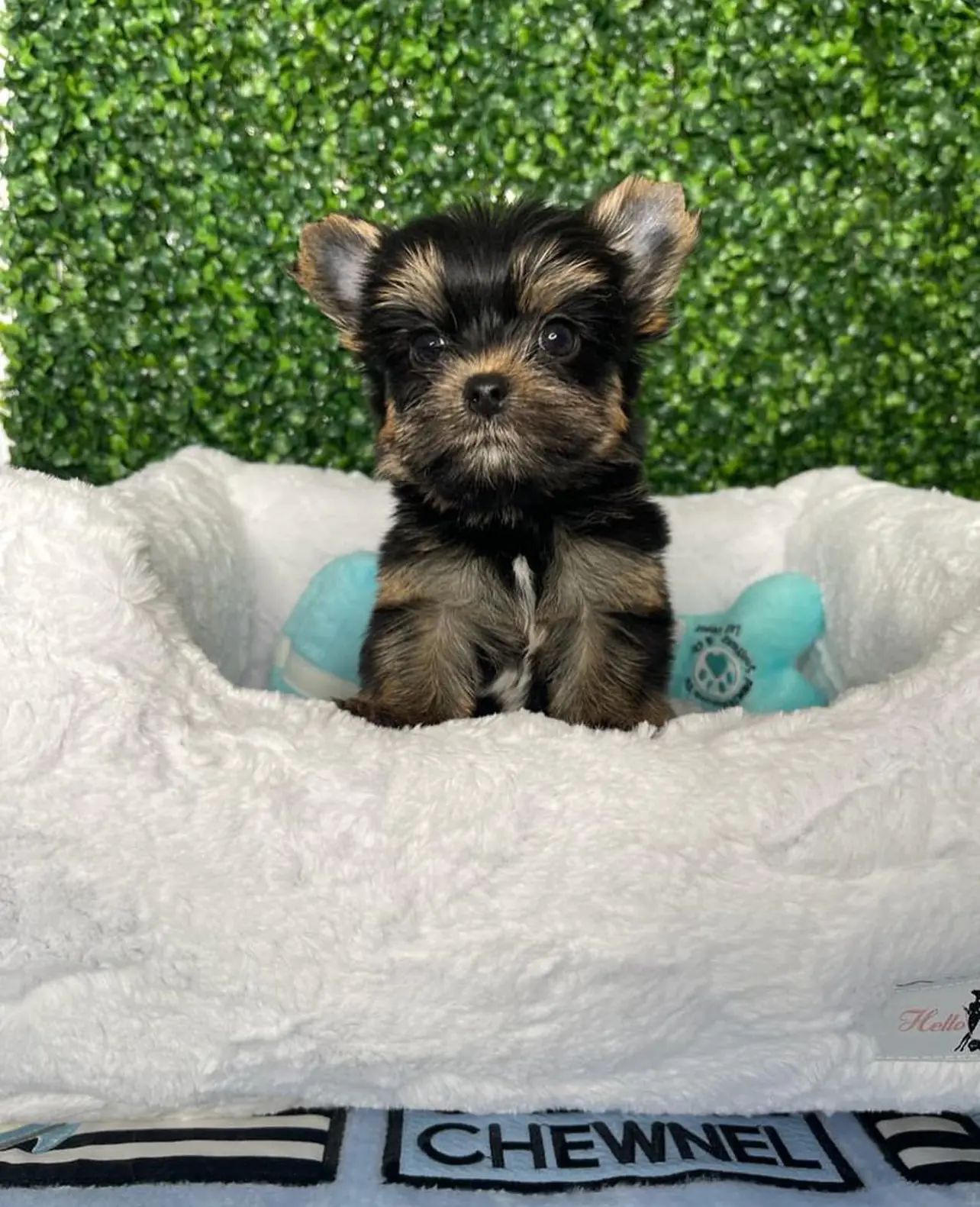
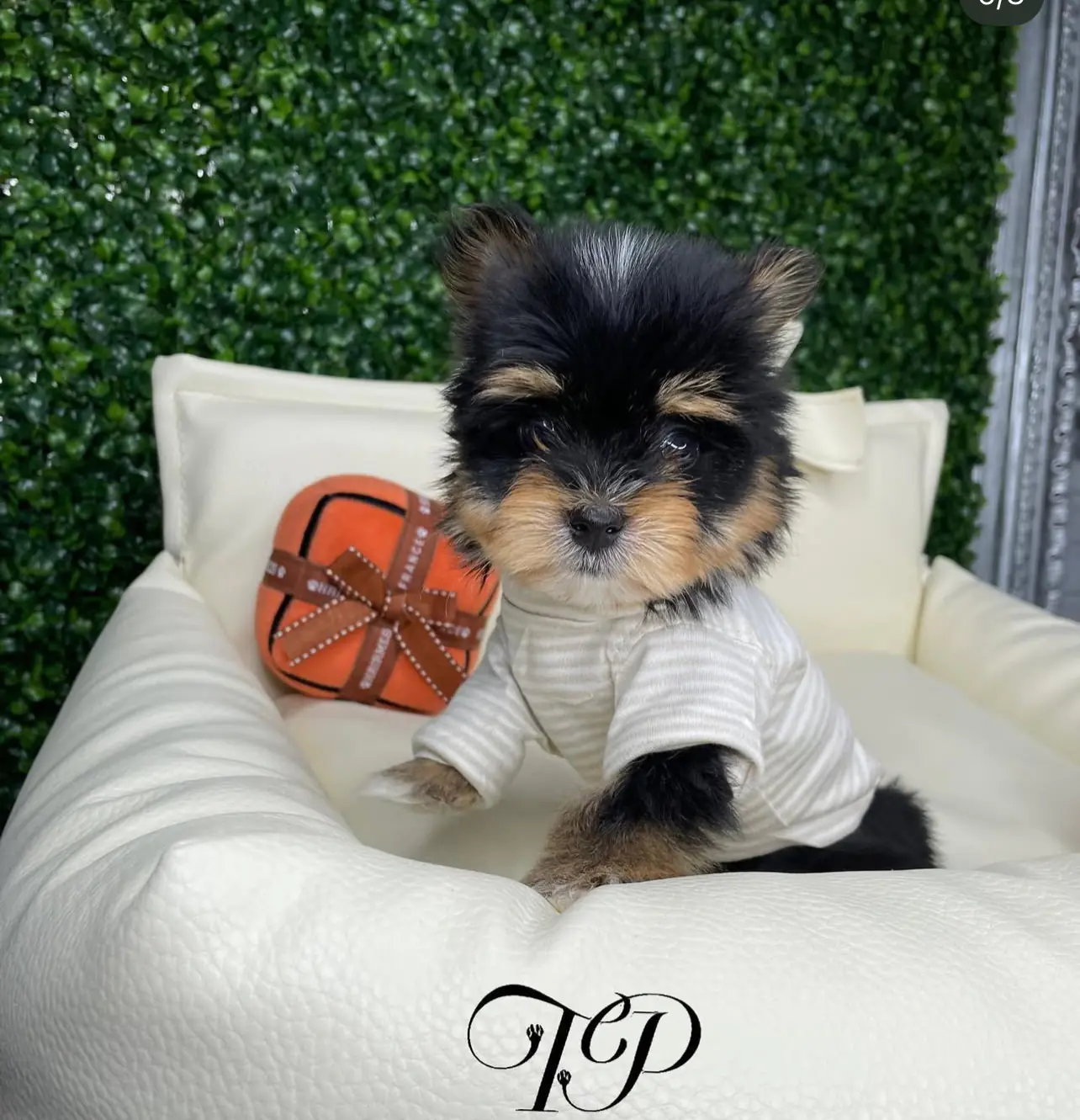
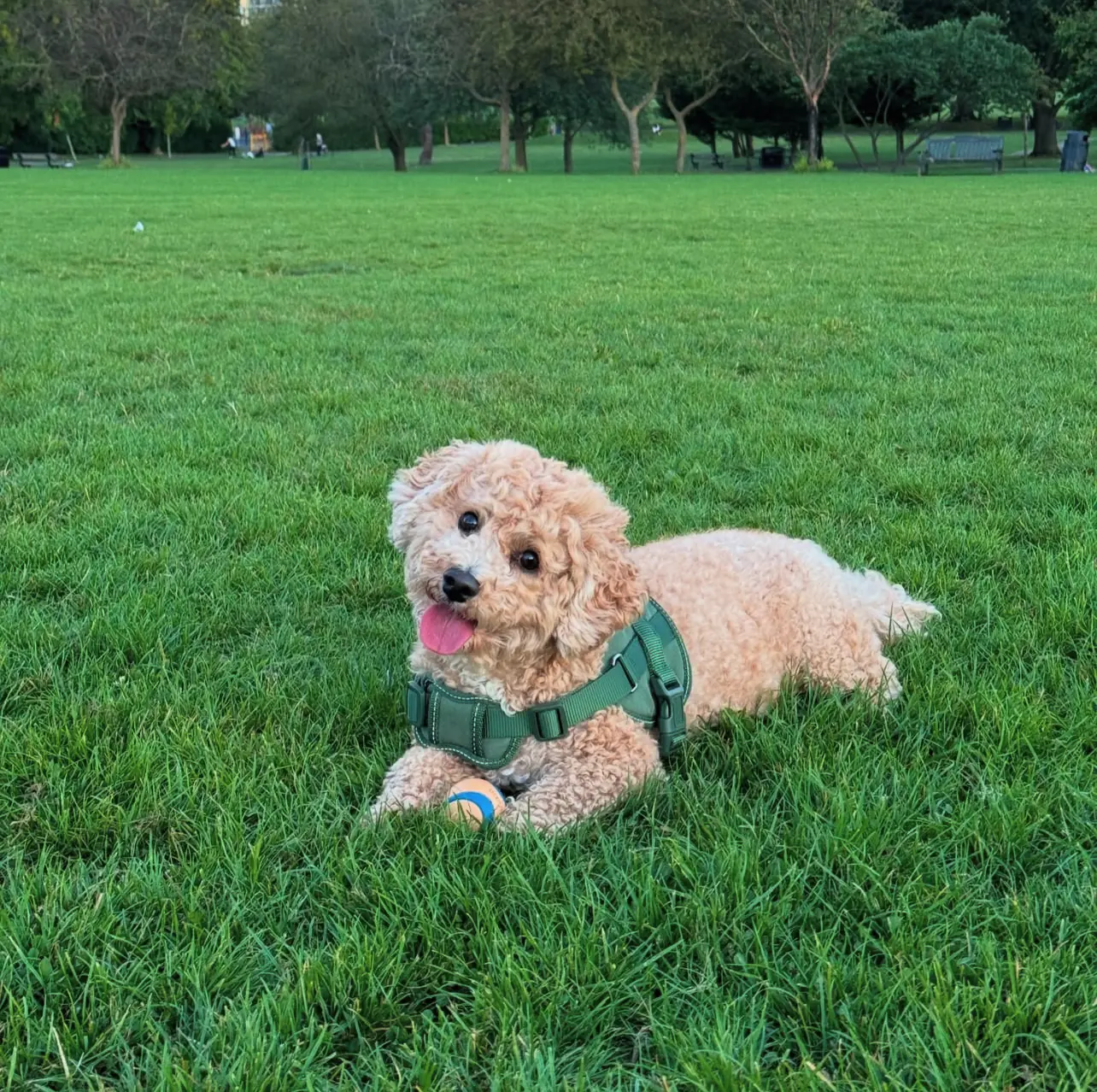
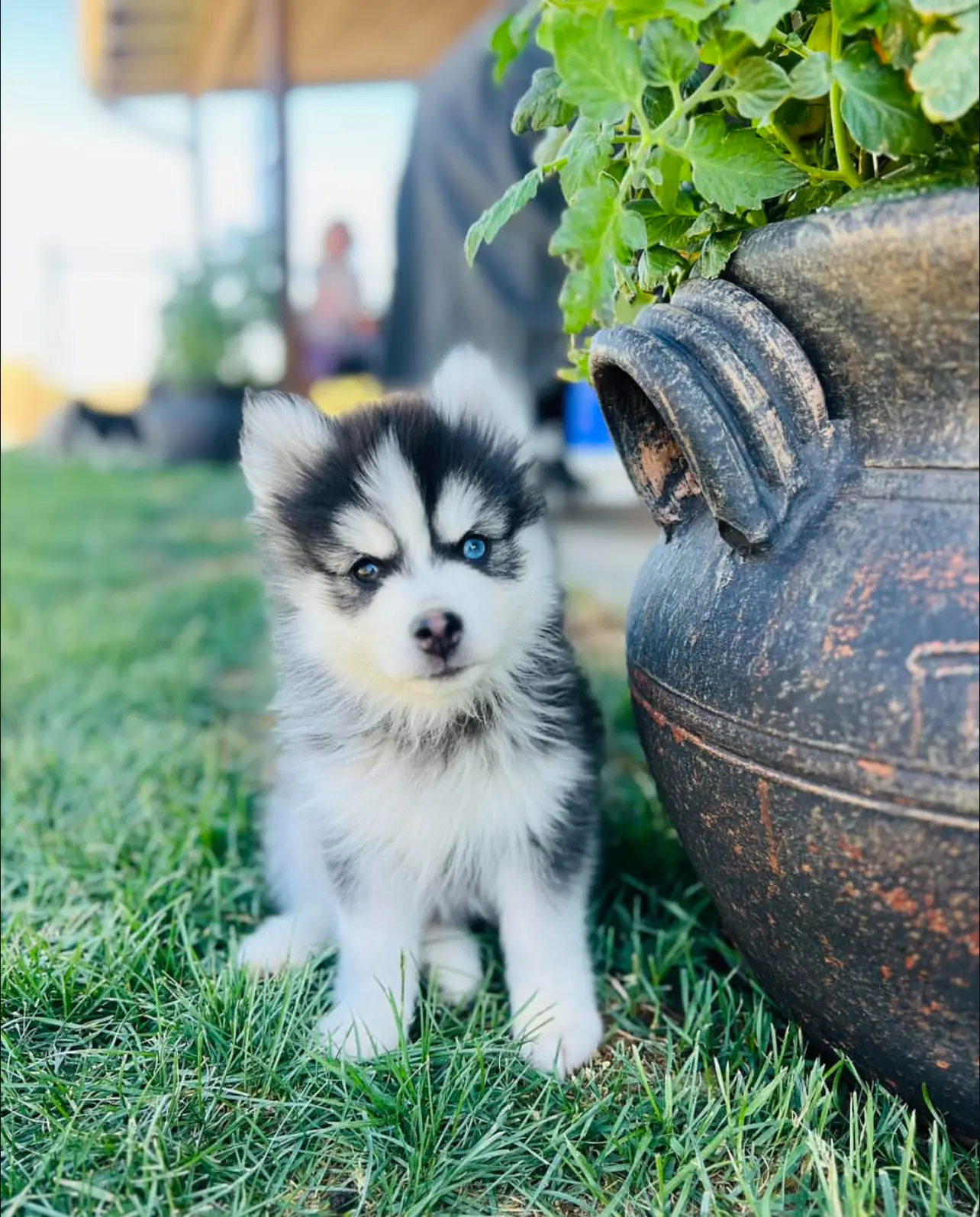
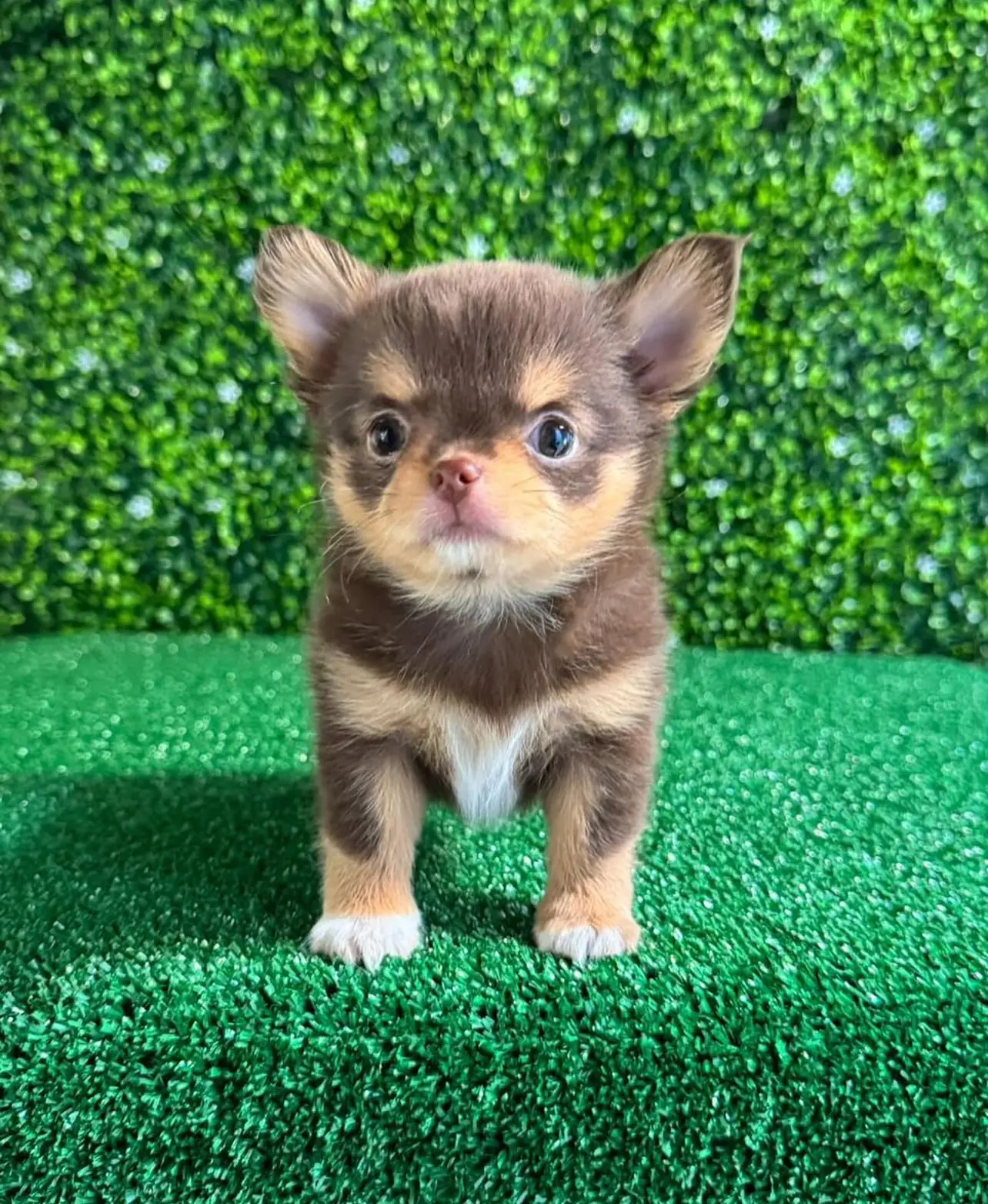
Teacup Pomapoo Puppies for sale
When you first meet that perfect blend of Pomeranian fluff and Poodle intelligence, you’re encountering one of the most delightful designer breeds available today. At Premier Teacup Pups, we’ve carefully selected breeding partners across the nation who specialize in creating these charming Pomapoo puppies—thoughtful crosses that combine the best of both parent breeds into one irresistible package. These aren’t just cute mixes; they’re intentionally bred companions that offer the Pomeranian’s cheerful affection and the Poodle’s sharp mind in a fluffy, hypoallergenic package perfect for modern living. Whether you’re in a cozy apartment or a spacious home, our Pomapoo puppies for sale offer a special combination of intelligence, loyalty, and pure adorability that captures hearts.
The Pomapoo’s Winning Combination
There’s something truly special about how Pomapoos are both entertainingly playful and genuinely smart companions. By thoughtfully combining the Pomeranian’s outgoing personality with the Poodle’s problem-solving abilities, these designer dogs offer a unique blend that fits beautifully into various lifestyles. What makes them particularly wonderful is their adaptability—they’re equally happy as the center of attention in a busy family or as a devoted companion for someone living alone. Their tiny size (typically 5-15 pounds) makes them perfectly portable, while their big personalities ensure they’re never overlooked.
Why Pomapoos Captivate So Many Homes
Beyond their undeniable cuteness, Pomapoos offer practical benefits that make them ideal for today’s households:
- Hypoallergenic Advantages: Their Poodle-influenced coats shed minimally, making them excellent for allergy-sensitive families
- Perfect Apartment Size: Small enough for micro-apartments yet substantial enough for gentle play
- Remarkable Intelligence: Inherit the Poodle’s problem-solving abilities for quick learning
- Cheerful Disposition: Bring the Pomeranian’s sunny outlook to every interaction
- Social Nature: Typically get along wonderfully with children, other dogs, and household pets
The Pomapoo Personality Profile:
- Size Range: Typically 5-15 pounds, making them perfectly portable companions
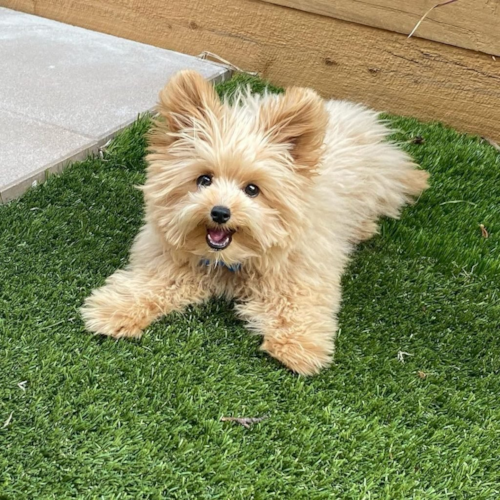
- Coat Variety: Fluffy coats ranging from straight Pomeranian-like to curly Poodle-like textures
- Energy Level: Moderate—enjoy playtime but are equally content with cuddle sessions
- Trainability: Highly responsive to positive reinforcement training methods
- Social Adaptability: Thrive in various household situations with proper socialization
Our Nationwide Pomapoo Partnership Network
When you choose Pomapoo puppies for sale through Premier Teacup Pups, you’re accessing a carefully curated network of breeders who share our commitment to health, temperament, and ethical practices. Unlike operations that mass-produce puppies, our partners focus on intentional breeding that prioritizes the well-being of both parents and puppies, ensuring each Pomapoo has the best possible start in life.
Health Considerations for Designer Mixes
Pomapoos, like all thoughtfully bred mixes, benefit from hybrid vigor but still require specific health attention. Our breeding partners focus on:
- Parent Health Screening: Comprehensive testing of both Pomeranian and Poodle parents
- Size Consistency: Careful matching to produce predictably sized puppies
- Coat Health: Attention to skin and coat conditions common in both parent breeds
- Dental Care: Early attention to dental health in these small-mouthed dogs
- Following guidelines from both the AKC Pomeranian and Poodle health recommendations
Early Socialization for Confident Companions
Small breeds like Pomapoos benefit tremendously from proper early experiences. Our partner breeders provide:
- Positive Exposure: Gentle introduction to various people, including gentle children
- Environmental Confidence: Safe exploration of different surfaces and mild challenges
- Multi-Pet Introduction: Early positive interaction with other gentle animals
- Basic Training Foundations: Early positive reinforcement for handling and simple commands
The Pomapoo Coat: Fluffy & Practical
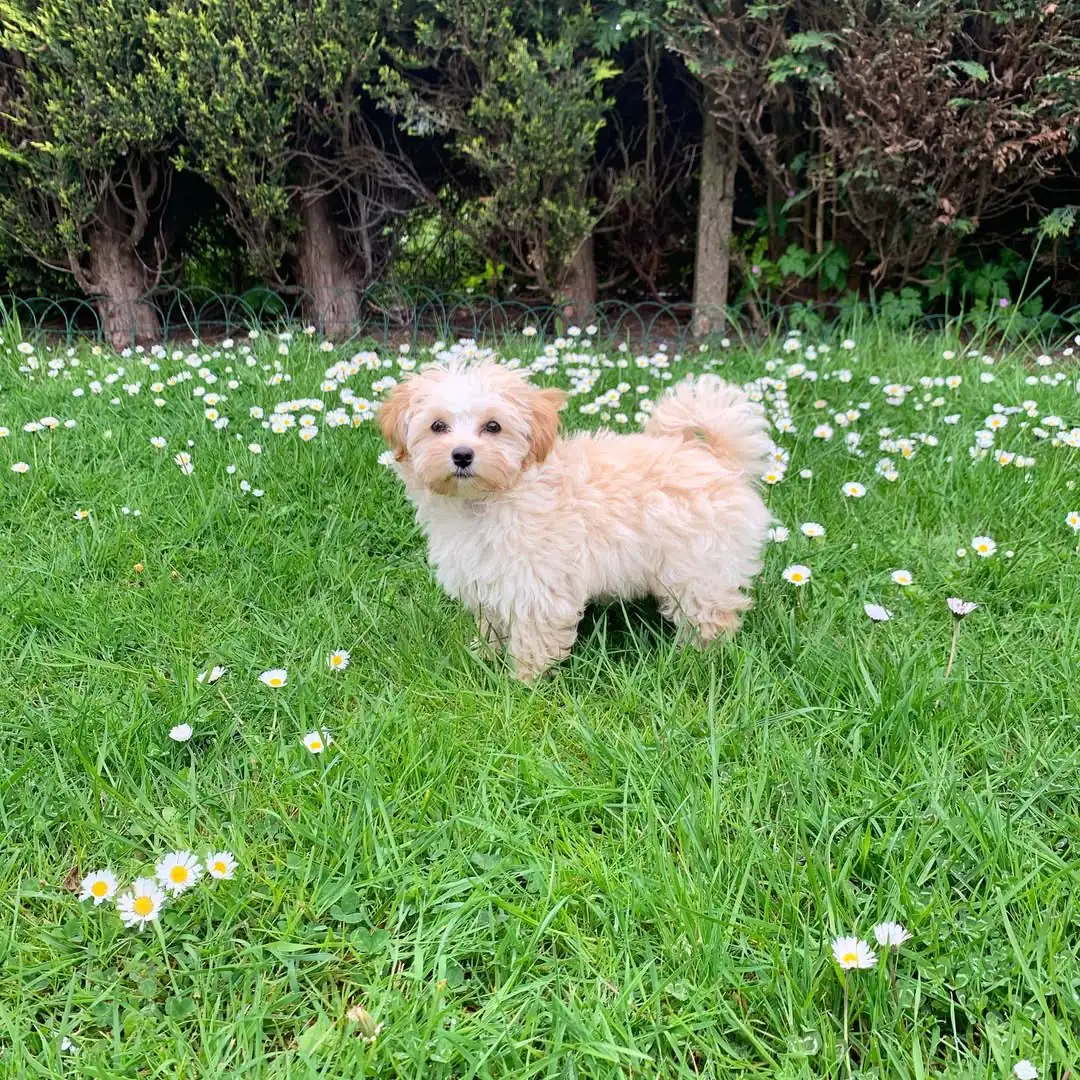
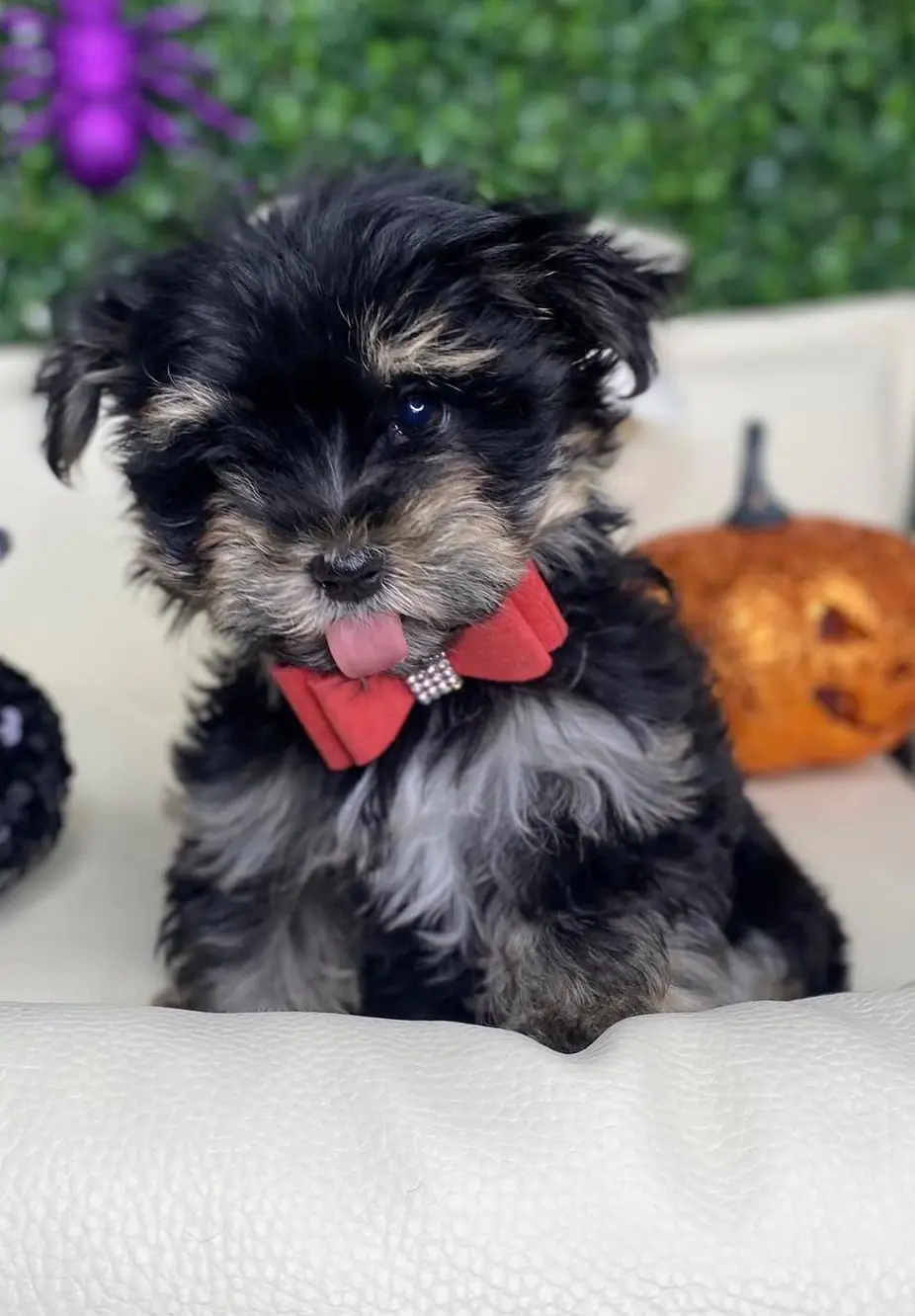
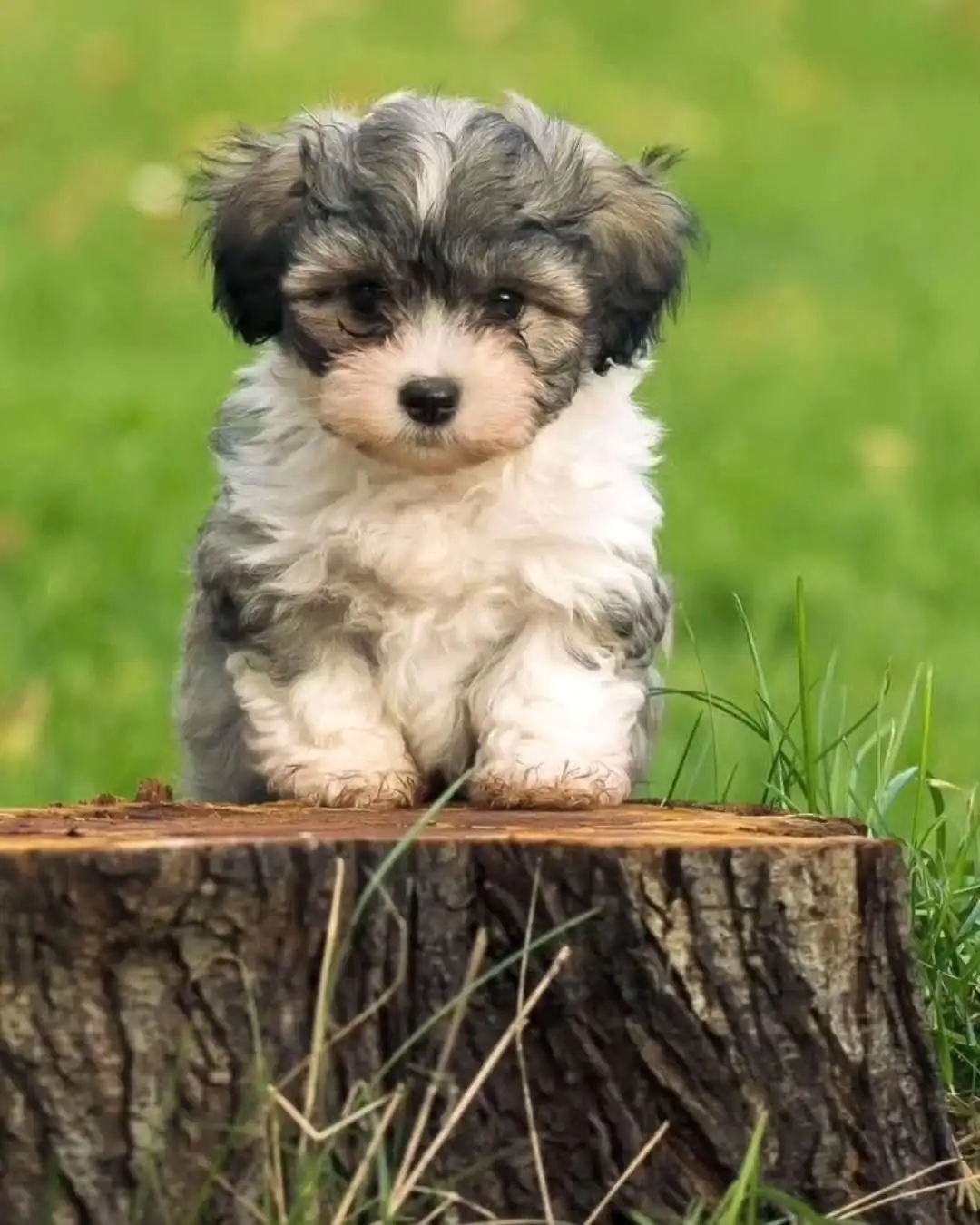
One of the Pomapoo’s most delightful features is their coat variety—each puppy offers a unique combination of their parents’ textures and colors. From the Pomeranian’s signature fluff to the Poodle’s signature curls, these coats aren’t just beautiful; they’re part of what makes Pomapoos such practical companions for modern living.
Understanding Coat Variations
Tight curls offering the highest hypoallergenic potential
Softer, straighter fluff that’s incredibly soft
Most common—beautiful waves that are easy to maintain
Reds, creams, blacks, chocolates, and beautiful mixes
Coat Care & Maintenance
Different coat types require different care approaches:
- Daily Brushing: Essential for all coat types to prevent mats
- Professional Grooming: Every 4-6 weeks maintains coat health ($45-65 per session)
- Regular Trimming: Keeps hair out of eyes and maintains comfort
- Seasonal Adaptation: Shorter cuts for Texas summer comfort
- Eye Care: Regular cleaning around the eyes, especially in lighter-colored coats
Daily Life with Your Pomapoo Companion
What’s it really like to live with one of these charming little dogs? Families considering a Pomapoo often wonder about the day-to-day reality behind the adorable appearance.
Exercise & Engagement Needs
Pomapoos thrive with moderate, consistent engagement:
- Regular Activity: 20-30 minutes of daily play plus short walks keeps them content
- Mental Stimulation: Training sessions and puzzle toys engage intelligent minds
- Social Interaction: They flourish when included in family activities
- Safe Play Areas: Secure spaces for off-leash play appropriate for their size
- Climate Awareness: Indoor play during peak Texas summer heat
Training Your Pomapoo
Their intelligence makes training particularly rewarding:
- Positive Reinforcement: They respond beautifully to praise and treats
- Consistency Matters: Clear expectations help them understand household routines
- Early Socialization: Prevents excessive barking or nervousness
- Housebreaking Patience: Small breeds can take time—consistency and routine help
- Gentle Methods: They respond best to patient, positive training approaches
Finding Your Perfect Pomapoo
When you browse our currently available Pomapoo puppies for sale, you’re seeing the result of thoughtful breeding partnerships and dedicated early care. Each puppy represents our commitment to connecting families with healthy, well-socialized companions through our nationwide network of trusted breeders.
Your Pomapoo Adoption Includes:
- Health records from veterinary examination
- Health guarantee covering hereditary conditions
- Registration papers for parent breeds, where applicable
- Starter care kit with appropriate toys and supplies
- Microchip implantation for permanent identification
- Detailed Pomapoo-specific care guide
- Support from our network of experienced breeders
- Nationwide delivery options with climate-controlled transport
Questions Future Pomapoo Families Ask
Are Pomapoos really hypoallergenic?
Most Pomapoos inherit the Poodle’s low-shedding coat, making them excellent for many allergy sufferers. However, coats can vary—some may have more Pomeranian-like qualities with moderate shedding. We’re transparent about each puppy’s coat type and can help you select the most hypoallergenic option if allergies are a concern.
How do they compare to purebred Pomeranians?
Pomapoos typically have a wider coat variety and often show slightly higher trainability due to Poodle intelligence. They may also be less prone to some Pomeranian health concerns thanks to hybrid vigor. However, purebred Pomeranians offer breed consistency, while Pomapoos offer a unique blend of the best traits from both parent breeds.
Are they good with children and other pets?
Typically excellent with both when properly socialized. Their small size requires supervision around very young children, but their generally friendly nature helps them get along with gentle kids and other pets. Early, positive introductions are key, and we provide specific guidance to support successful family and multi-pet integration.
What’s the difference between F1 and F1b Pomapoos?
F1 Pomapoos are first-generation crosses (50% Pomeranian, 50% Poodle) with varied coats. F1b Pomapoos are backcrossed to a Poodle (75% Poodle) and typically have curlier, more hypoallergenic coats. We work with breeders offering both types and help you understand which might better suit your home and preferences.
Why Choose Our Pomapoo Network
Our approach to connecting families with Pomapoo puppies focuses on quality partnerships:
- Nationwide Quality: Working with top breeders across the country
- Health Standards: All partners adhere to our health testing requirements
- Temperament Priority: Focus on well-socialized, family-ready puppies
- Breeder Verification: Every partner undergoes a careful evaluation
- Ongoing Support: Available to answer questions throughout your dog’s life
Ready for Pomapoo Joy?
If you’re prepared for regular grooming and ready for years of intelligent, affectionate companionship, a Pomapoo might be your perfect match. View our available Pomapoo puppies or call us at +1 915-221-0809 to discuss whether this charming mixed-breed fits your lifestyle. We’ll connect you with the perfect breeder in our trusted network.
Reservation deposit: $450 (varies slightly among our partner breeders)
Families drawn to the Pomapoo’s charming blend often also appreciate our Maltipoo puppies for similar Poodle-mix qualities or our Pomeranian puppies for the purebred version of one parent breed.







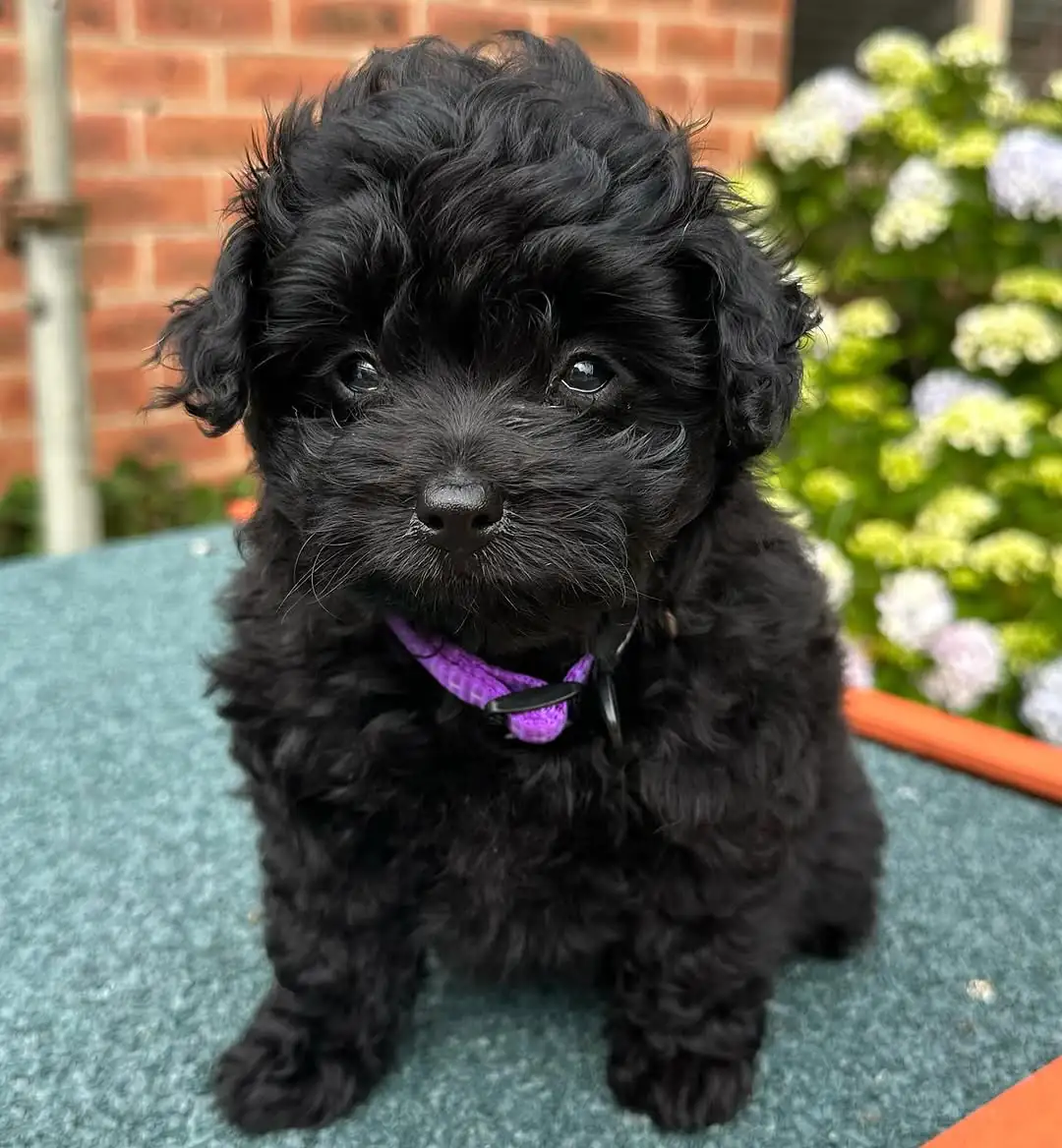





What breeds make a Pomapoo, and what does ‘Teacup’ signify? A Pomapoo is a hybrid dog resulting from crossing a Pomeranian with a Poodle (typically a Toy Poodle). ‘Teacup’ is an unofficial marketing term used by some breeders for Pomapoos deliberately bred to be exceptionally small, often under 5-6 pounds as adults. This size is not recognized by kennel clubs and carries significant health risks.
How small is a ‘Teacup Pomapoo’ compared to a standard Pomapoo? A standard Pomapoo’s size varies based on the Poodle parent, typically ranging from 6 to 15 pounds. Puppies marketed as ‘teacups’ are aimed to be much smaller, often under 6 pounds, sometimes as low as 3-4 pounds. Be wary of size guarantees from breeders prioritizing extreme smallness.
Are Teacup Pomapoos prone to Collapsing Trachea? Yes, significantly. Both parent breeds (Pomeranian and Toy Poodle) are highly predisposed to collapsing trachea. Breeding them down to an even smaller ‘teacup’ size can exacerbate this condition, leading to severe coughing, breathing difficulties, and exercise intolerance.
What are the major health dangers associated with the ‘teacup’ size in Pomapoos? Beyond the high risk of collapsing trachea, they are extremely prone to hypoglycemia, fragile bones, open fontanels (soft spots on the skull), hydrocephalus, heart defects (like PDA), liver shunts, and severe dental overcrowding due to their unnaturally small size.
Do Teacup Pomapoos inherit health issues from both Pomeranians and Poodles? Yes. They can inherit issues like luxating patellas (kneecaps), eye problems (PRA from Poodles, other issues from Poms), heart conditions, skin issues (like Alopecia X/BSD from Poms, sebaceous adenitis from Poodles), and potentially seizures or hormonal issues (Addison’s from Poodles).
What is the typical temperament of a Teacup Pomapoo like? They often blend the Pomeranian’s spunky, sometimes bold nature with the Poodle’s intelligence and eagerness to please. However, their extreme fragility can lead to increased anxiety, fearfulness, or nervous behaviors, overriding their potential confidence.
How much grooming does a Teacup Pomapoo require? Their coat can vary (wavy, curly, sometimes more fluffy like a Pom), but generally requires daily brushing to prevent mats, especially considering the mix of Pom undercoat and Poodle curls. Professional grooming every 4-8 weeks is needed. Handling must be exceptionally gentle.
What kind of exercise is appropriate for a Teacup Pomapoo? Extremely limited and gentle exercise. Short indoor play sessions and very brief, supervised outings are sufficient. Avoid jumping, rough play, long walks, or anything strenuous due to their fragility and risks like collapsing trachea and luxating patellas.
Is the lifespan of a Teacup Pomapoo shorter than a standard Pomapoo? Frequently, yes. The severe health complications linked to extreme miniaturization often result in a significantly shorter lifespan compared to the 12-15 years typical for a healthy standard Pomapoo.
Why are Teacup Pomapoo puppies so expensive? Prices (often $3,000-$7,000+) are inflated by deceptive “designer” or “rare” marketing. The cost doesn’t reflect health or ethical breeding; it often reflects the risks and potential losses involved in producing such fragile animals.
Are Teacup Pomapoos good pets for families with young children? Strongly discouraged. Their extreme fragility makes them highly vulnerable to severe injury or death from accidental mishandling by children. They thrive best in quiet, adult-only homes or with very calm, older, supervised children.
Are Teacup Pomapoos difficult to house train? Yes, house training can be challenging. Their tiny bladders require very frequent potty breaks, and accidents are small and easily missed. Consistency, patience, positive reinforcement, and potentially using potty pads are essential.
Why do responsible breeders avoid producing ‘Teacup Pomapoos’? Ethical breeders prioritize health, temperament, and genetic well-being, breeding within the healthy standard size ranges for Pomeranians and Toy Poodles. They recognize that deliberately breeding for extreme, unhealthy smallness (“teacup”) causes suffering and violates responsible breeding principles.
Are dental problems a big issue for Teacup Pomapoos? Yes, a major issue. Both parent breeds are prone to dental problems, and fitting those teeth into an unnaturally tiny jaw leads to severe overcrowding, retained baby teeth, malocclusion, and a very high risk of early and severe periodontal disease. Rigorous dental care is vital.
How must a Teacup Pomapoo be handled to avoid injury? With extreme care and gentleness. Always use two hands, supporting the chest and rear. Prevent falls from any height. Be constantly aware of their location. Teach all household members and visitors proper, gentle handling techniques.
Do Teacup Pomapoos need special feeding due to hypoglycemia risk? Absolutely essential. Their tiny bodies have almost no energy reserves, making them highly prone to dangerous blood sugar crashes. Frequent (every few hours for young pups), small meals of high-quality food are critical. Owners must know how to spot and treat hypoglycemia instantly.
Can Teacup Pomapoos live safely with other pets? Only with extreme caution and constant supervision. Even playful interactions with larger dogs, cats, or even rough smaller dogs can be fatal due to the teacup’s fragility. Companion animals must be exceptionally calm and gentle.
What’s a better, healthier alternative to a ‘Teacup Pomapoo’? Seek a reputable breeder who health tests their Pomeranian and Toy Poodle parents (for issues like patellas, eyes, heart, trachea) and breeds standard-sized Pomapoos expected to mature within a healthy weight range (e.g., 7-15 lbs). Prioritize health and breeder ethics over size.
Are Teacup Pomapoos likely to bark a lot? Yes. Both Pomeranians and Toy Poodles can be vocal alert barkers. Expect this trait to carry over. Early training can help manage excessive barking, but some level of vocalization is likely.
Is the Pomapoo mix or the ‘teacup’ size recognized by the AKC? No. The Pomapoo is a hybrid cross and not recognized by the AKC or other major purebred registries. ‘Teacup’ is purely a marketing term and not an official size category for any breed or mix.